

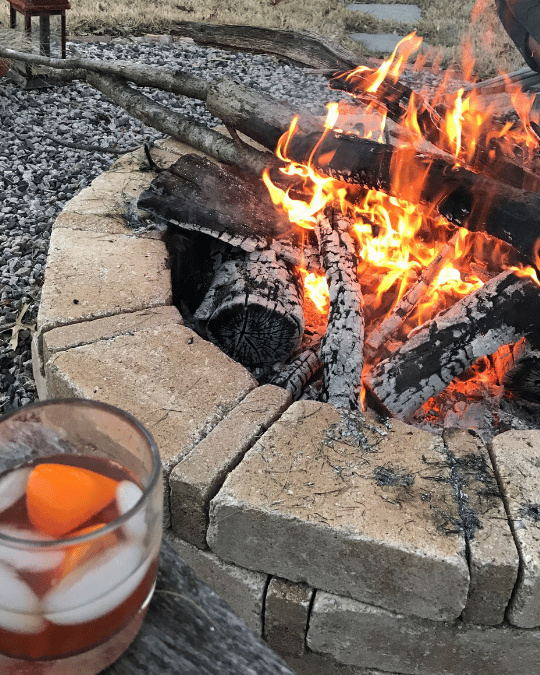
It’s drinks-around-the-fire-pit season!
We're finally getting some cooler fall weather — a low of 50 degrees is a big deal in Texas — so now's the time to prepare for winter and make the most of the last good planting days. We're far from freezing temps, but a few small tasks will help your outdoor spaces rest and replenish.
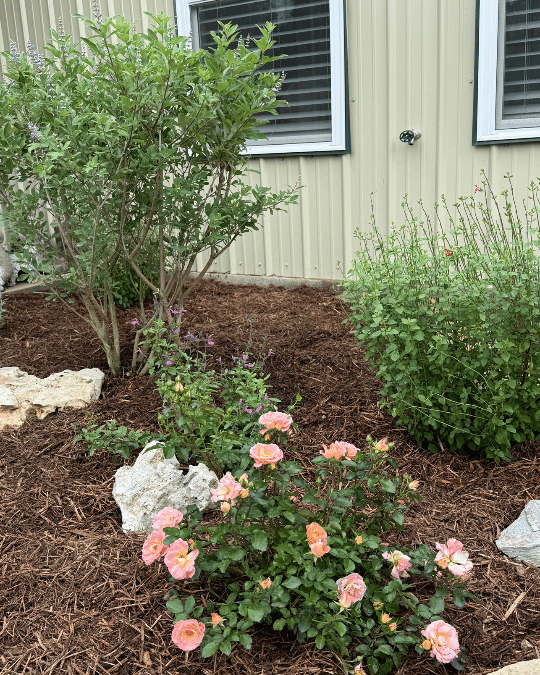
The first is to cover your soil. A thick layer of mulch and leaves over your garden beds protects the ecosystem from the inevitable ice storm. Take a simple walk around, fill in any bare spots with mulch, and your soil will be in great shape for spring planting.
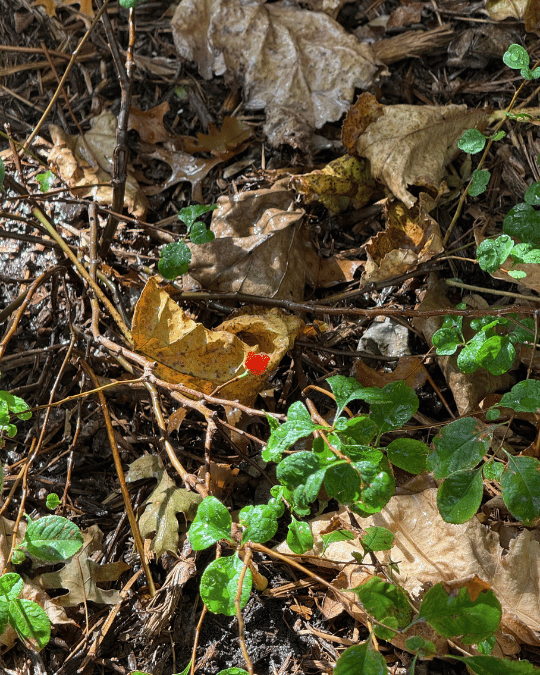
On that note, leave your leaves alone! Falling leaves are high-nutrient soil amendment and mulch, plus a nesting place for insects and pollinators who'll thank you by working in your garden next spring. If you must disturb them, mulch them rather than remove them, letting all those yummy nutrients break down into your soil (truly the best recycling system on earth). Or blow them out of sight into one back corner of your yard if you have an HOA. Create a little bug hotel!
My two favorite branch managers
Finally, let your boxwoods, hollies, and other shrubbery take a break from trimming until early next spring.
You might be tempted to cut back gnarly branches during your winter yard prep, but this time of year is only for removing damaged or at-risk tree branches that could cause trouble in an ice storm. (We recommend getting a tree professional to help with this!)
Now that I've told you what not to do, let's talk about the fun tasks that are actually better done this time of year.
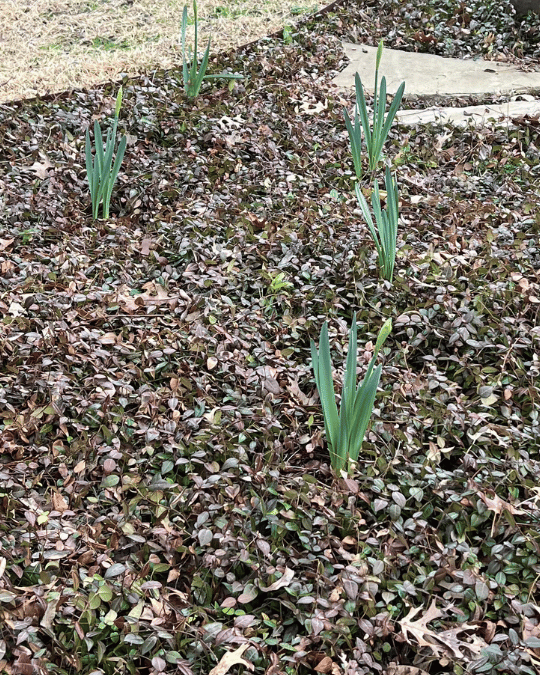
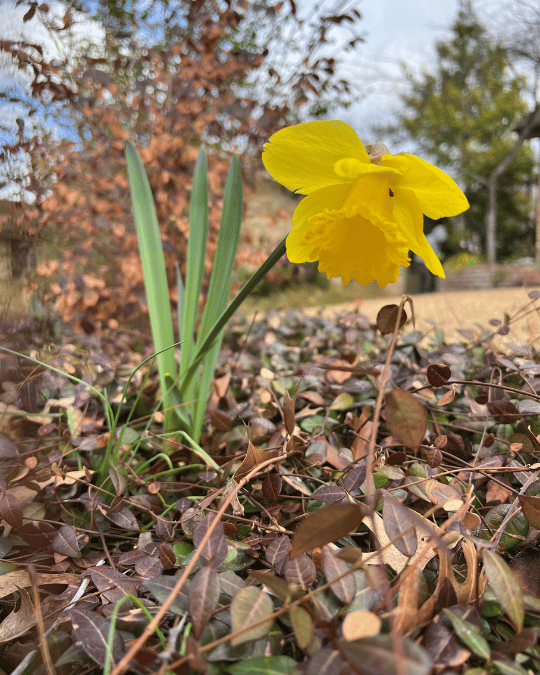
Plant your bulbs for spring flowers. Many folks think of tulips, but daffodils are the star player here in North Texas. Falconet is a personal favorite, a late bloomer that flowers for a whopping 28 days! They come back every year, are super low-maintenance, and spread easily if you want a "wow" swath of spring blooms. Got aggressive squirrels? A sprinkle of cayenne pepper over the planted area can deter them from stealing your bulbs.
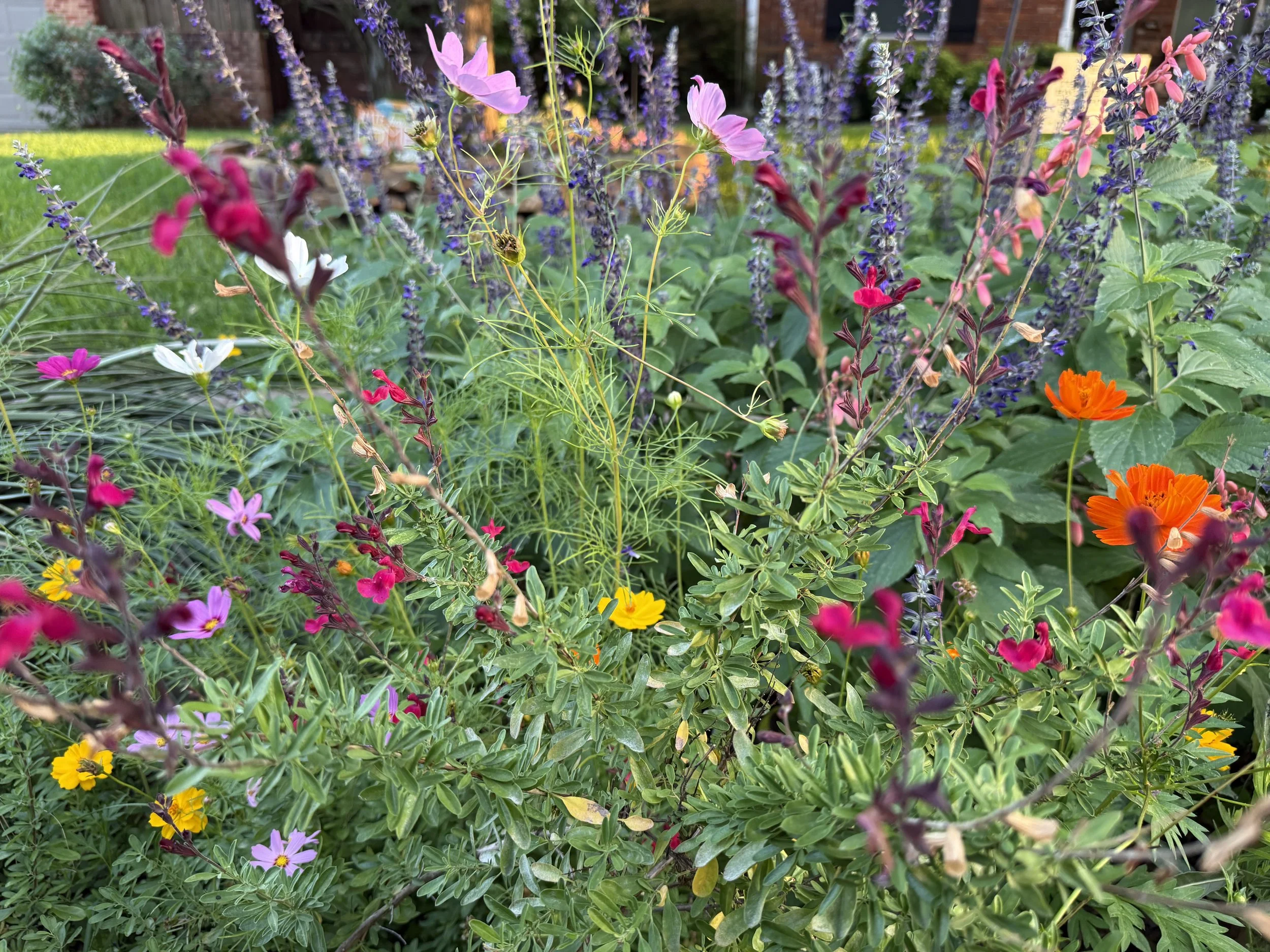
Wildflowers are a treat for pollinators!
Sow wildflower seeds. A treat for pollinators and a great way to add color, wildflowers like a Texas/Oklahoma mix from Wildseed Farms do well when sown in the fall for summer blooms. Planting now mimics nature's cycle, sowing seeds just as they'd naturally fall after the summer blooms fade. It's a bit anticlimactic not to see growth until spring, but you'll love watching butterflies and other garden friends feast in a few short months.
Note that wildflowers can be “messy.” If you don’t like a wild look, I would skip it.
Plant your shrubs and trees now to let them take root. It may be counterintuitive, but North Texas winters are often kinder to young shrubs than our sweltering summers, giving them time to roots established. Bonus perk: trees are often less expensive once their leaves fall by the end of November. It's a win-win for your plants and your wallet.
This harvest season is all about gentle action to rest, repair, and recharge as the year comes to a close — why wouldn't it be the same with your landscaping? Let me know in the comments below anything I missed.
Grow with Gratitude,
Hilary